
Chicago Psychological
Treatment Philosophy
Chicago Psychological utilizes cognitive-behavioral and evidence-based treatment approaches towards providing behavioral health services for:
Specialties
Depression
Treatment can include a combination of self-help, talking therapies and medicines.
Anxiety
Treatment includes counselling or medication, including antidepressants.
Trauma and PTSD
Treatment includes different types of psychotherapy as well as medications to manage symptoms.
Eating Disorders
It typically includes a combination of psychological therapy (psychotherapy), nutrition education, medical monitoring and sometimes medications.
Relationships
Professional help for various relationship dynamics..
Organizational Behavior Consult
Learn to truly be productive through treatment by a licenced professional.
Treatment Approach
Cognitive Behavior Therapy (CBT)
Cognitive behavioral therapy (CBT) is a form of psychological treatment that has been demonstrated to be effective for a range of problems. Used primarily for treatment of depression and anxiety disorders
Mindfulness Based Cognitive Therapy (MBCT)
Mindfulness-based cognitive therapy (MBCT) is an approach to psychotherapy that uses cognitive behavioral therapy (CBT) methods in collaboration with mindfulness meditative practices and similar psychological strategies.
Acceptance and Commitment Therapy (ACT)
Acceptance and Commitment Therapy (ACT) is an empirically based psychological intervention that uses acceptance and mindfulness strategies along with commitment and behavior-change strategies to increase psychological flexibility.
Solution Focused Brief Therapy (SFBT)
Solution-focused (brief) therapy (SFBT) is a goal-directed collaborative approach to psychotherapeutic change that is conducted through direct observation of clients' responses to a series of precisely constructed questions.

Relationship Enhancement Therapy (RET)
Relationship Enhancement Therapy (RET) teaches couples and families the skills needed to communicate feeligns with each other and work on effective coping methods.
Who I work With
Individual (Adults and Adolescents)
Direct one on one therapy is used for treatment of emotional and personality problems or disorders by using psychological means.
Couples
Couples therapy with a licensed professional in for couples in order to address real world problems that are driving a wedge between you and your partner.
Family
Family therapy works with families in intimate relationships to nurture change and development. It tends to view change in terms of the systems of interaction between family members.
Psychological Testing and Cognitive Assessment Services
At Chicago Psychological, we provide comprehensive, evidence-based psychological assessments designed to help individuals better understand themselves and move forward with clarity and confidence. Our evaluations support children, adolescents and adults across a wide range of concerns, including academic, emotional, behavioral, cognitive, memory and learning challenges.
We introduce a structured process that uses clinical interviews, standardized testing, and behavioral observations to gain a deeper understanding of an individual’s strengths, challenges, and overall functioning. Our comprehensive assessment reports can help clarify diagnoses, guide treatment planning, support academic or workplace accommodations, and provide insight into personal growth.
Some of the most Common reasons for children and adolescents’ assessment include:
- Attention and focus difficulties (e.g., ADHD)
- Learning differences
- Anxiety, depression, or mood concerns
- Behavioral or emotional regulation challenges
- School-related difficulties
- Academic performance

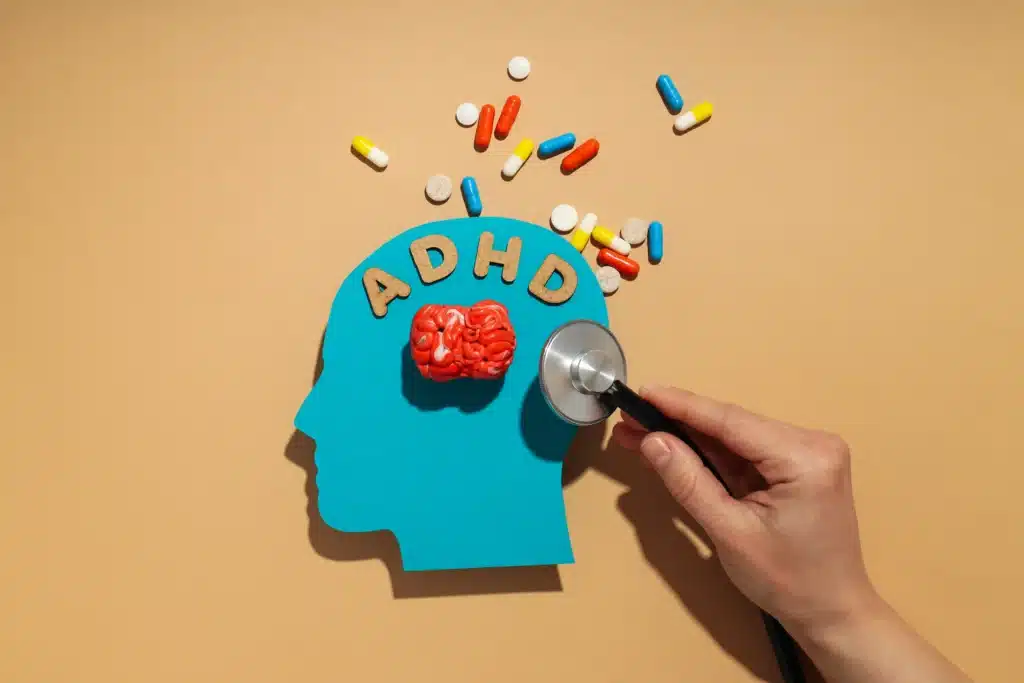
Our adult assessments are tailored to support personal, academic, and professional goals. Individuals may seek evaluation for:
- ADHD or executive functioning concerns
- Anxiety, depression, or other mental health conditions
- Diagnostic clarification
- Work and Academic Accommodation
- Life transitions or self-understanding
- Personality testing
- Neurobehavioral functioning and memory testing
We follow a thoughtful, collaborative, and individualized approach to the assessment process which includes
Initial Consultation
We begin with a detailed conversation to understand your concerns, goals, and background.
Comprehensive Evaluation
This may include standardized psychological tests, questionnaires, and interviews.
Feedback Session
We review results with you in a clear and supportive way, ensuring you fully understand the findings.
Written Report & Recommendations
You receive a detailed report with diagnostic impressions and personalized recommendations for next steps.
Psychological Assessments: Structured Overview
1. Academic / Educational Assessments
Purpose
- Identify learning strengths and weaknesses
- Diagnose learning disabilities (e.g., dyslexia, ADHD)
- Guide academic accommodations and interventions
Domains Measured
- Verbal comprehension
- Fluid reasoning
- Working memory
- Processing speed
- Reading, writing, math skills
Protocol Tests
- WISC-V / WAIS-IV – Intelligence (IQ, processing speed, working memory)
- Woodcock-Johnson IV (WJ-IV) – Academic achievement
- WIAT-III – Reading, math, writing skills
- CTOPP-2 – Phonological processing (important for reading)
2. Personality Assessments
Purpose
- Understand personality structure, traits, and emotional functioning
- Support diagnosis, therapy planning, or self-awareness
Protocol Test:
- MMPI-3 / MMPI-2 – Clinical personality & psychopathology
- PAI (Personality Assessment Inventory) – Emotional and behavioral patterns
- NEO-PI-3 – Big Five personality traits
- 16PF – Trait-based personality profile
Domains Measured
- Emotional stability
- Interpersonal style
- Thought patterns
- Behavioral tendencies
- Clinical symptoms (e.g., anxiety, depression)
3. Workplace / Occupational Assessments
Purpose
- Evaluate job fit, leadership potential, and workplace behavior
- Support hiring, promotions, and team development
Protocol Test:
- DISC Assessment – Behavioral styles (Dominance, Influence, etc.)
- Hogan Assessments (HPI, HDS, MVPI) – Leadership and derailers
- MBTI – Personality preferences (less clinical, more developmental)
- SHL / Wonderlic – Cognitive ability for job performance
Domains Measured
- Leadership style
- Decision-making
- Team dynamics
- Stress tolerance
- Motivation and values
4. Memory & Neuropsychological Assessments
Purpose
- Evaluate memory functioning and cognitive processes
- Detect neurological conditions, brain injury, or cognitive decline
Protocol Test :
- Wechsler Memory Scale (WMS-IV) – Comprehensive memory testing
- Rey Auditory Verbal Learning Test (RAVLT) – Verbal learning & recall
- California Verbal Learning Test (CVLT) – Memory strategies and retention
- RBANS – Brief neurocognitive screening
Domains Measured
- Short-term memory
- Long-term memory
- Working memory
- Visual vs verbal memory
- Recall vs recognition
Integrated Psychological Evaluation
A full psychological battery often combines:
- Cognitive testing (IQ)
- Academic achievement
- Personality/emotional functioning
- Memory and executive functioning
Output Includes
- Diagnostic impressions (if applicable)
- Strengths & weaknesses profile
- Recommendations (school, workplace, therapy)
- Accommodation (e.g., extra time, workplace adjustments)